

 News
News Views: 0 Author: Site Editor Publish Time: 2026-05-13 Origin: Site


Many boaters eventually tire of the race against the setting sun. Transitioning from traditional day boating to living on the water changes everything. It completely eliminates the anxiety of rushing back to the dock before dark. A cabin cruiser serves as the ultimate multi-purpose vessel for this lifestyle. It perfectly bridges the gap between nimble day boats and high-maintenance motor yachts. You gain vital weather protection, comfortable sleeping quarters, and genuine independence.
This guide provides a decision-focused breakdown of these highly versatile boats. We will explore exactly what they offer and how they function. We will also categorize them carefully by size and rigid storage limits. Finally, we establish the strict criteria buyers should use when evaluating a purchase. You will learn how to match the right vessel to your exact on-water goals.
Cabin cruisers typically range from 25 to 45 feet, featuring a modified V-hull and a distinct three-zone layout (helm, galley, and below-deck sleep/head quarters).
They function as waterborne "Swiss Army Knives," ideal for multi-day fishing trips, weather-protected cruising, and extended family vacations.
Trailerability is a hard dividing line: boats under 33 feet can generally be trailered to reduce marina fees, while larger models require permanent wet slips.
A pre-purchase marine survey and rigorous sea trial testing handling and propulsion (sterndrive vs. outboard) are mandatory for protecting your investment.
We define this vessel fundamentally as a powerboat designed for overnight accommodations. They typically range from 25 to 45 feet in length. Manufacturers engineer them to provide genuine livability on the water. They utilize a distinct structural blueprint to maximize usability.
We call this the three-zone layout. Every inch serves a distinct, practical purpose for the crew.
Aft/Cockpit: This represents the open utility area. Builders optimize it primarily for fishing, lounging, and direct water access. It forms the social hub during the day.
Mid-ship/Helm: This navigation and entertaining space sits under a protective hardtop. It often integrates a wet bar or partial galley. You can easily host guests here while commanding the vessel.
Below Deck: Think of this space as your floating hotel. It features integrated climate control and an enclosed head (bathroom) offering a working shower. It also provides at least one dedicated berth (bed) for sleeping.
Beneath the surface, hull physics govern how the boat actually behaves. Most modern models utilize a modified V-hull design. This specific architecture provides vital stability for overnight anchoring. It stops the hull from rolling uncomfortably in choppy water. At the same time, it maintains enough agility for daytime water sports and nearshore cruising. You get a perfectly balanced ride.
Common Mistake: Do not assume a deep-V offshore racing hull provides a comfortable night at anchor. A modified V-hull remains the superior choice for static stability.
Industry experts often label these boats the "Swiss Army Knives" of the water. They emphasize extreme versatility over specialized perfection. A cabin cruiser is not a dedicated race boat. It is also not a slow commercial trawler. Instead, it serves as a highly reliable hybrid for multiple activities.
Consider the immense appeal of an immersive family vacation. These vessels create a self-contained floating cocoon for your loved ones. They remove your family from crowded public shores instantly. You can easily replace expensive hotel bookings with quiet, hidden coves. You control the daily itinerary entirely.
Strategic anglers also reap massive benefits. You can execute a highly effective sunset-to-sunrise fishing loop. Anglers can sleep comfortably on the water. They wake up in perfect position for the early morning bite. You completely eliminate the painful 3:00 AM commute from home to the local marina.
Finally, climate-protected cruising changes your yearly boating calendar. The helm and cabin feature true 360-degree weather protection. Many modern models include built-in AC and heating systems. Onboard generators power these systems effortlessly. This setup effectively extends your boating season straight into much colder or hotter months.
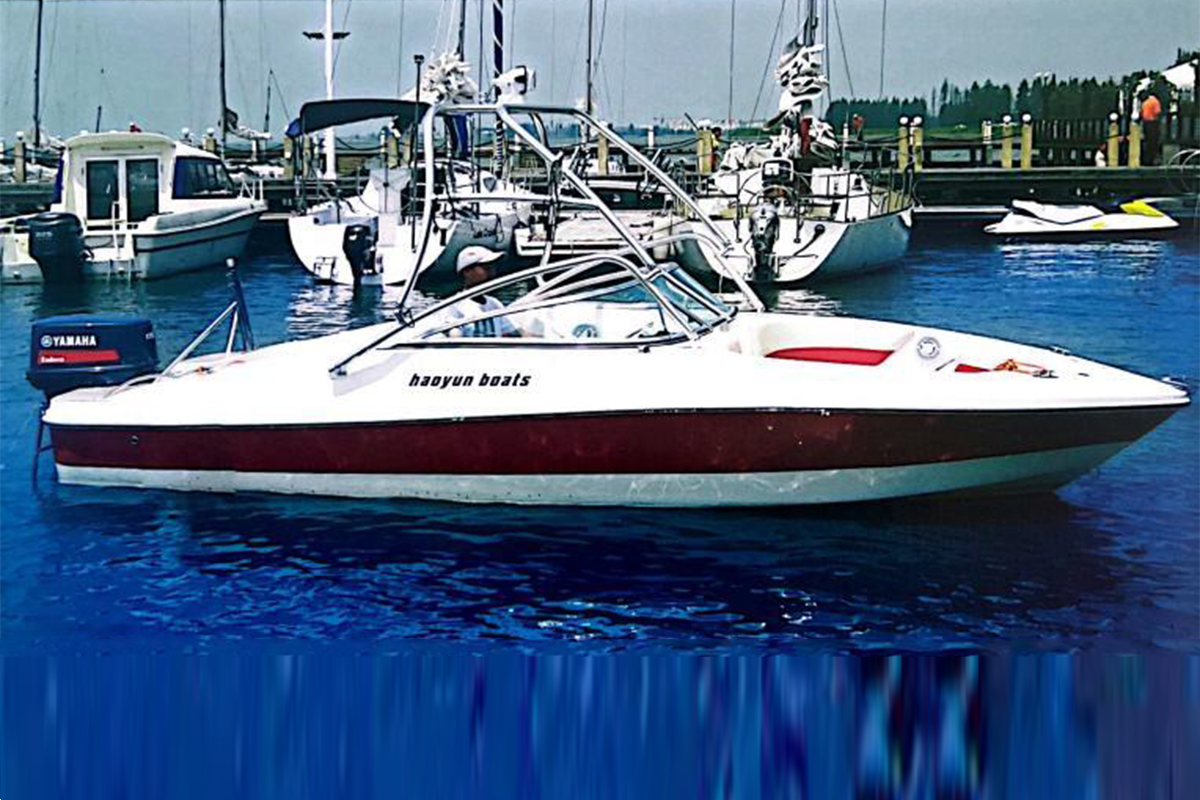
Evaluating the right vessel requires understanding rigid size brackets. Length dictates where you can store it and how you move it. We map these storage realities directly into a basic evaluation chart.
Size Bracket | Primary Use Case | Key Advantages & Considerations |
|---|---|---|
Sub-30 Foot (The Weekend Trailables) | Short weekend trips and nearshore day cruising. | Stays within legal highway width limits. You can trailer it easily, which avoids expensive slip fees and reduces hull wear. |
30 to 35 Foot (The Transport Limit) | The absolute sweet spot for moderate family trips. | Approaches the strict limit for standard truck towing. Transporting it often requires special wide-load permits depending on your specific state laws. |
40+ Foot Express Cruisers (The Liveaboard Tier) | Multi-week living or functioning as a secondary residence. | Requires permanent mooring or wet slips. Introduces complex mechanical protocols like shore power management and advanced plumbing maintenance. |
This framework highlights why trailerability acts as a hard dividing line. Going above 33 feet changes your logistics entirely. You must plan for permanent marina docking. You lose the ability to tow the boat home for winter storage easily.
Buyers often confuse similar boat types. We must clearly separate them to ensure you buy the right capability.
A cuddy cabin measures around 18 to 25 feet. It functions essentially as a day boat. It features a cramped, low-clearance bow compartment. Builders design this space strictly for storing gear or a child's afternoon nap. A cuddy lacks full standing room below deck. It also lacks complete galley and head setups. You cannot comfortably live aboard one.
The core differences here center on daily amenities and legal definitions.
The Amenities Gap: Yachts typically span 40 to 100+ feet. They feature multiple private staterooms and full residential kitchens. They also include professional crew quarters. A standard cruiser rarely offers this level of sprawling luxury.
The Legal/Certification Reality: The term "yacht" carries actual regulatory weight. It often implies specific US Coast Guard size and tonnage certifications. A standard cruiser classifies strictly as a recreational powerboat. The owner operates it solely without any hired crew.
Understanding these tiers prevents expensive purchasing mistakes. You buy exactly the capability you need without overextending.
Protecting your investment requires a rigorous evaluation process. Never buy a boat based purely on clean aesthetics.
Start by evaluating propulsion system trade-offs carefully. You generally choose between two primary mechanical setups.
Sterndrive (Inboard/Outboard): This engine sits inside the hull. It maximizes your aft swim platform space. Families love this setup for water sports and swimming. However, it significantly increases maintenance difficulty due to submerged outdrive components in saltwater.
Outboard: This setup mounts entirely on the transom. It grows increasingly popular today. Buyers often choose dual or triple configurations averaging 600 total horsepower. They are far easier to trim out of the saltwater. Mechanics service them easily. However, they sacrifice precious rear deck space.
Next, schedule mandatory pre-purchase inspections. You must hire a certified marine surveyor. They will check the hull carefully for fiberglass blistering. They also verify electrical system integrity and test all plumbing lines. This non-negotiable step protects you from hidden structural damage.
After the formal inspection, you must conduct a thorough sea trial. This means much more than a simple test drive. You must verify the boat's handling under a heavy load. Check for steering lag immediately. If the boat has modern joystick piloting systems, test their precision around narrow docks. Furthermore, ensure the onboard generator can independently run the air conditioning and galley appliances while underway.
Finally, consider real-world ownership realities. Overnight anchoring presents a massive psychological hurdle for new owners. Drifting away in the dark creates serious anxiety and ruins sleep.
Best Practice: Utilize GPS anchor alarms like the Anchor Pro app. These digital tools solve drifting anxiety instantly. They alert you if the boat moves beyond a designated safe radius. You can sleep peacefully on the water knowing your vessel remains secure.
A cabin cruiser truly stands out as the ultimate marine investment. It heavily rewards buyers who prioritize self-reliance and multi-day water access. You gain the freedom to explore remote coastlines safely while carrying your accommodations with you.
Consider these final actionable steps before beginning your search:
Define your exact storage capability before stepping onto a dealer lot.
Establish a hard limit on trailering versus permanent marina storage. This single decision filters out 50% of the market options instantly.
Commit firmly to hiring a certified marine surveyor for any used vessel purchase.
Download an anchor alarm app before executing your first overnight trip.
Taking these steps ensures your transition to the cruising lifestyle remains incredibly smooth. You will finally enjoy the water on your own terms.
A: Prices vary drastically based on size, age, and technology. You can find reliable used models starting around $20,000. These serve as excellent entry-level weekenders. Conversely, brand new, tech-loaded express cruisers easily exceed $2,000,000. Your budget should account for the initial purchase price alongside necessary marine surveys and required safety equipment.
A: Yes, living aboard is entirely possible on models larger than 35 feet. These larger vessels provide adequate headroom, climate control, and functional galleys. However, you must accept certain comfort trade-offs compared to a dedicated houseboat or motor yacht. Storage space remains limited, and managing blackwater tanks requires constant weekly attention.
A: These boats typically sleep two to six people comfortably. The exact capacity depends heavily on the interior layout. Most models feature a primary forward berth. Many also include a convertible dining area. The dinette table drops down to form an additional bed, accommodating extra guests or children perfectly.
A: Several manufacturers consistently deliver high-quality, durable vessels. Industry standards include Sea Ray, Boston Whaler, Regal, and Cruisers Yachts. These brands offer excellent resale value and exceptionally strong dealer networks. They provide a perfect baseline for your initial research. Always review the specific model year, as build quality can occasionally shift over time.


