

 News
News Views: 0 Author: Site Editor Publish Time: 2026-08-28 Origin: Site


Modern Offshore Construction is rarely just a general industry concept. It operates as a high-stakes operational environment where project margins rely entirely on precise asset allocation. Every offshore wind farm, subsea oil well, and deep-water infrastructure project faces intense environmental challenges. These massive initiatives depend entirely on specialized marine assets. You need these assets to execute complex engineering tasks safely. If you deploy the wrong ship, budgets collapse rapidly. Delays multiply quickly in harsh ocean conditions.
Selecting the right Working Vessels directly determines project feasibility, safety compliance, and ultimate financial outcomes. In this guide, you will learn how to evaluate core marine assets effectively. We will explore vessel categories, vital capability metrics, and the regulatory frameworks governing them. You will also discover how to align dynamic positioning systems and sourcing strategies with your specific project demands.
Offshore construction success hinges on matching specific environmental loads and project phases with the correct vessel capabilities.
Working vessels are highly specialized; distinguishing between HLVs, OSVs, and MPSVs is critical for optimizing mobilization costs and deck utilization.
Regulatory compliance (e.g., USCG, IMO) and Dynamic Positioning (DP) class ratings are non-negotiable evaluation criteria during the vessel shortlisting process.
Strategic procurement requires balancing vessel day-rates against operational versatility and transit/mobilization timelines.
Understanding offshore infrastructure requires looking at the entire asset lifecycle. You cannot treat a deep-water project as a single event. It is a continuous operational cycle. Each phase demands completely different marine support capabilities.
We generally break project lifecycle demands into three core phases:
Installation Phase: This initial stage requires massive lifting power. You need specialized ships to transport and place heavy foundations, jackets, and topsides.
Inspection, Maintenance, and Repair (IMR): Operational fields require constant monitoring. This phase demands agile vessels equipped for ROV (Remotely Operated Vehicle) deployment and light intervention work.
Decommissioning: End-of-life operations mirror installation in reverse. You must safely dismantle and remove decaying structures. This requires immense crane capacity and strict environmental containment.
Engineering and environmental realities heavily influence these phases. Ocean environments are notoriously unforgiving. Environmental loads dictate structural engineering constraints. Wave action, sustained wind speeds, and tricky seabed conditions test every piece of equipment. Consequently, these loads dictate the physical specifications required of your construction fleet.
You must account for the cost of inefficiency. Mismatched vessel capabilities lead to severe consequences. If a ship cannot handle specific wave heights, you will miss crucial weather windows. Missed weather windows cause prolonged downtime. Prolonged downtime quickly transforms into severe cost overruns. You must get vessel selection right the first time.
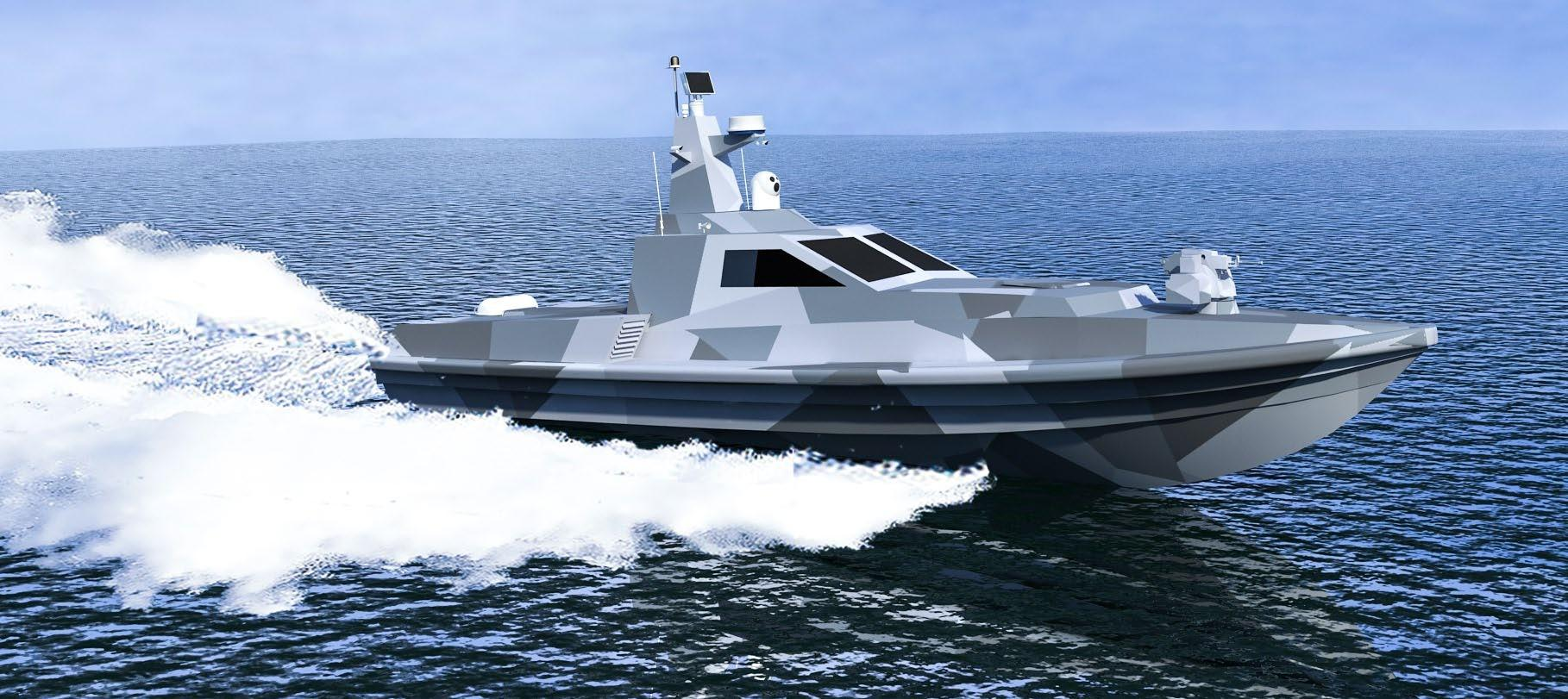
You must evaluate fleets based on capability metrics, payload, and primary use cases. Basic definitions are not enough for complex project planning. We will examine the critical technical criteria for four primary vessel classes.
These massive ships serve a very specific primary function. They handle the installation of massive topsides, subsea jackets, and offshore wind foundations. They are the heavy muscle of the ocean.
You must evaluate them based on strict engineering criteria. Maximum crane lifting capacity, or Safe Working Load (SWL), is your primary metric. Some modern crane vessels feature an SWL exceeding 10,000 metric tons. You must also evaluate available deck space. Finally, assess their active ballast systems. These systems pump water rapidly between tanks to maintain stability during critical, unbalanced lifts.
However, HLVs come with severe limitations. They incur exceptionally high mobilization costs. Moving a massive crane vessel across the globe costs millions. They also have significant draft requirements. They cannot operate in shallow coastal waters without risking grounding.
These ships act as the logistical backbone of ocean operations. Their primary function involves transporting crew, drilling fluids, and deck cargo. They supply remote offshore installations continuously.
Evaluation criteria for PSVs focus heavily on carrying capacity. You should look closely at deadweight tonnage (DWT). Dynamic positioning (DP) capabilities are also critical. Furthermore, examine their below-deck tank capacities. You need specific volumes for mud, brine, and dry bulk materials.
Implementation reality often conflicts with theoretical planning. Versatility is absolutely key in offshore logistics. However, over-specifying a PSV inflates operational expenditure. Hiring a massive, high-spec PSV for a simple, routine cargo run wastes valuable project funds.
Energy and data rely on subsea connections. The primary function of lay vessels is deploying subsea umbilicals, risers, and flowlines (SURF). They also lay high-voltage export cables for wind farms.
You evaluate lay vessels on entirely different metrics. Top tension capacity is crucial. This measures how much weight the ship can hold hanging off its stern. Carousel and reel payload limits dictate how many kilometers of continuous cable they carry. You must also assess their water depth capabilities. Shallow water uses S-lay methods. Deep water requires J-lay configurations. Spooled products use Reel-lay.
The main risk factor involves station-keeping. Subsea infrastructure deployment is highly sensitive to vessel movement. Tensioner failure or a loss of position can snap a pipeline. This causes catastrophic delays and massive environmental risks.
MPSVs are the Swiss Army knives of the sea. Their primary function covers flexible execution of subsea interventions. They excel at ROV support and light construction tasks.
Evaluation criteria center on modularity. Deck layout flexibility is critical. You want built-in heave-compensated cranes. These cranes neutralize the rolling ocean waves during subsea lifts. Integrated ROV hangars protect delicate robotic equipment from harsh weather.
Through a decision lens, MPSVs are highly attractive. They are often the most cost-effective choice for IMR scopes. Hiring a dedicated HLV for minor subsea tie-ins is financially unviable. An MPSV executes the same task at a fraction of the daily rate.
Core Offshore Vessel Capability Comparison
Vessel Category | Primary Function | Key Evaluation Metric | Ideal Project Phase |
|---|---|---|---|
Heavy Lift Vessel (HLV) | Installing topsides and jackets | Safe Working Load (SWL), Ballast capacity | Installation / Decommissioning |
Platform Supply Vessel (PSV) | Logistics and cargo transport | Deadweight Tonnage (DWT), Tank volume | Continuous throughout lifecycle |
Pipelay / Cable-Lay | Deploying SURF and power cables | Top tension capacity, Carousel payload | Installation |
Multi-Purpose (MPSV) | ROV operations and light subsea work | Heave-compensation, Deck flexibility | Inspection, Maintenance, Repair (IMR) |
You cannot operate marine assets strictly on physical capabilities. The maritime environment is heavily regulated. Ignoring compliance laws introduces severe legal and financial risks.
Classification societies act as the technical authorities of the sea. You must verify a vessel’s Class Society certifications. Organizations like DNV, ABS, or Lloyd's Register ensure the ship meets strict structural standards. Local regulatory compliance is equally crucial. For example, vessels operating in US waters must meet strict USCG requirements. Furthermore, you must navigate Jones Act considerations. The Jones Act mandates using US-built, owned, and flagged ships for point-to-point transit in domestic waters.
Anchoring is impossible in deep water. Ships use computer-controlled thrusters to maintain position. We call this Dynamic Positioning (DP). You must evaluate DP class ratings carefully.
DP1: Basic automatic positioning. Lacks full redundancy.
DP2: Features redundant systems. A single technical fault will not cause loss of position.
DP3: Offers physically separated redundant systems. They endure fire or flooding in one compartment without losing position control.
You must differentiate between DP2 and DP3 systems for risk management. Higher redundancy is an absolute requirement for close-proximity operations. If station-keeping fails during a heavy lift near an active platform, the result equals catastrophic risk.
Green mandates are transforming marine engineering. Vetting a vessel operator's safety track record is just the beginning. You must also evaluate their adherence to environmental emission standards. Tier III engine compliance is becoming a global norm. High emissions increasingly impact project financing and stakeholder approvals. Banks hesitate to fund projects using heavy-polluting legacy fleets.
Procurement defines your project budget. You must execute a strategic sourcing plan to prevent financial leakage. Buying on day rate alone is a critical mistake.
You need a rigid framework for matching vessel specs to project realities. Do not rely on generic brochures. Match the vessel's technical specifications to precise engineering models. Analyze expected weather windows using historical meteorological data. If your region experiences high wave action, a standard vessel will spend weeks waiting on weather. You must pay for a higher-spec ship to guarantee operational uptime.
Procurement teams often chase the lowest daily charter rate. This strategy often backfires. A lower daily charter rate is easily negated by high mobilization costs. Demobilization costs also eat into margins. If the vessel is not regionally positioned, you pay for weeks of empty transit time. Always calculate the total voyage cost, including fuel and time spent moving between continents.
You must align your contract structure with your project timeline. Spot-market hiring works best for short-term interventions. You hire the ship for a few weeks to complete a specific repair. Conversely, multi-year offshore wind developments require long-term time charters. Securing a vessel for three years locks in your rates. This protects you from sudden market spikes and secures your operational schedule.
Defining the scope of oceanic engineering ultimately means understanding marine assets. The ships themselves make the underlying engineering possible. You cannot separate the physical structure from the vessel installing it. They are inextricably linked.
Our final verdict is clear. Protect your project margins through careful, evidence-based evaluation. You must prioritize technical specifications and payload capacities. You must demand high-level DP capabilities for risk mitigation. You must ensure absolute regulatory compliance before signing contracts. This is the only effective way to ensure safe and profitable execution.
Your next steps should involve rigorous internal audits. Encourage your engineering and procurement decision-makers to collaborate. They must conduct thorough audits of potential vessel fleets. Force them to weigh fleet capabilities against specific environmental load data. Match the vessel strictly to your exact project timelines. Taking these actions will safeguard your budgets and ensure your offshore operations succeed.
A: OSV (Offshore Support Vessel) serves as a broad umbrella term. It covers many different types of support ships. PSV (Platform Supply Vessel) is a specific sub-type of OSV. PSVs focus almost entirely on cargo transport, bringing crew, dry bulk, and drilling fluids to offshore installations.
A: DP systems use computer-controlled thrusters to maintain a ship's position without anchors. The DP class rating determines reliability. DP2 and DP3 systems offer redundancy. This redundancy dictates whether a ship can safely operate in harsh environments or near existing, highly sensitive structures.
A: The main cost drivers include the daily charter rate and the mobilization/demobilization distances. Vessel specialization and market scarcity also heavily impact pricing. High DP class requirements and surging regional market demand can rapidly drive up overall procurement expenses.
A: Cabotage laws, like the US Jones Act, heavily restrict marine operations. They mandate that vessels moving goods between domestic ports must be locally built, owned, and flagged. This severely limits the available vessel pool, impacting procurement strategies and raising charter rates in specific regions.


