

 News
News Views: 0 Author: Site Editor Publish Time: 2026-08-08 Origin: Site


Shifting focus from casual weekend sailing to commercial marine operations changes everything. Selecting the right vessel requires balancing route logistics, passenger capacity, propulsion efficiency, and strict maritime compliance. You cannot simply scale up a recreational design and expect commercial success. Fleet operators, municipal planners, and commercial marine businesses need a highly reliable evaluation framework. They must thoroughly understand vessel mechanics, regulatory classifications, and operational deployment strategies.
This article provides exactly that framework. We will explore how these vessels operate under heavy daily use. You will learn the mechanical differences between hull types and modern propulsion systems. We will examine how operators match specific designs to unique coastal geographies. We will also dive into the rigid safety regulations governing this global industry. Maritime authorities leave zero room for guesswork regarding passenger safety. By the end, you will know how to match the right vessel to your specific operational needs. You will gain actionable insights into structural choices, crewing mandates, and turnaround logistics.
A commercial passenger boat is legally defined by maritime authorities (like the IMO) as any vessel carrying more than 12 passengers.
Vessel mechanics heavily depend on route requirements; hull design and propulsion (e.g., waterjets vs. traditional propellers) dictate fuel efficiency and draft suitability.
Deploying a vessel for operations like island transport requires evaluating scalability, turnaround times, and local marine infrastructure.
Safety and compliance (SOLAS, local Coast Guard mandates) are non-negotiable implementation realities that dictate crewing and maintenance costs.
To understand maritime law, we must look closely at what defines a Passenger Boat. The International Maritime Organization (IMO) sets clear boundaries globally. Once a vessel carries more than 12 commercial passengers, authorities strictly classify it as a passenger ship. This designation changes everything about how operators build, manage, and insure the vessel. Designers must completely overhaul standard blueprints to meet these commercial thresholds.
Recreational vessels operate under highly lenient guidelines. They focus purely on leisure and personal use. Commercial vessels face entirely different structural requirements. They require commercial licensing, redundant engineering systems, and carry massive insurance liabilities. You cannot legally use a standard pleasure yacht for commercial transit if passengers exceed the legal limit. The moment a transaction occurs and passenger counts rise, operational liability shifts dramatically.
The regulatory framework spans both global and local authorities. At the international level, the International Convention for the Safety of Life at Sea (SOLAS) dictates foundational safety rules. This framework prevents disasters by establishing strict engineering norms. Local transport authorities then enforce specific regional mandates. You will deal directly with agencies like Transport Canada, the UK Maritime and Coastguard Agency (MCA), or the US Coast Guard. They ensure your operations meet strict standards before issuing operational certificates.
Passenger capacity and gross tonnage dictate the exact rules you follow. Smaller vessels carrying 50 people face different structural rules than 500-person ferries. Higher gross tonnage moves a vessel into much stricter regulatory tiers. These upper tiers govern construction materials, fire containment zones, and mandatory safety equipment. A high-tonnage ship requires extensive bulkheads to prevent sinking if the hull breaches.
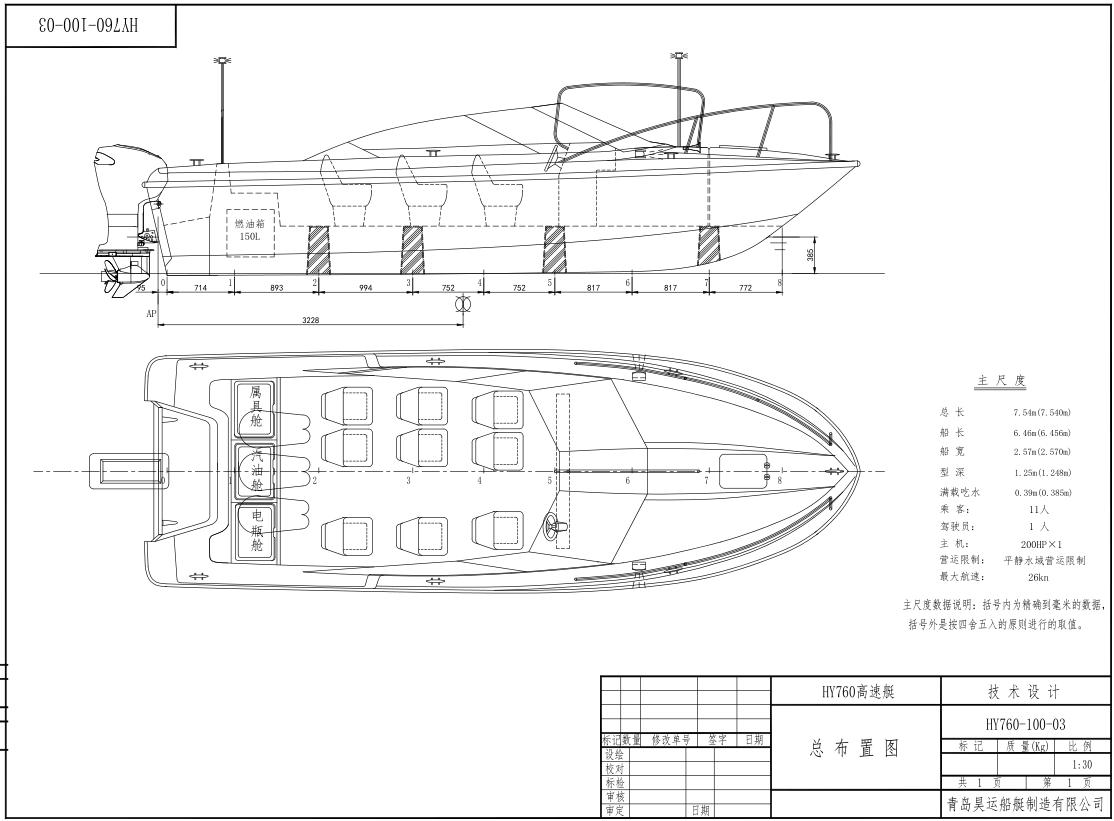
Vessel performance relies on matching hull mechanics to specific environmental routes. Let us examine the core design principles shaping modern transit fleets.
Monohulls offer highly cost-effective construction processes. They perform exceptionally well in deep water environments. Their single, deep V-shaped hull cuts aggressively through variable sea states. This allows them to maintain course effectively during rough weather. Catamarans feature a much wider beam spread across two separate hulls. They deliver superior stability and significantly enhance passenger comfort during transit. A catamaran also provides a dramatically shallower draft. This makes them highly effective in coastal areas where low tides expose dangerous sandbars.
Propulsion systems must match the intended route exactly. Conventional propellers deliver massive high torque output. They work perfectly for heavy, slow-moving ferries. However, they require deeper water to avoid devastating blade damage. Marine waterjets offer high speed and exceptional maneuverability. They pull water into an internal intake and blast it out the stern. This eliminates exposed underwater appendages, allowing shallow draft capabilities. Operators rely heavily on waterjets for variable-tide coastal routes. Hybrid and electric systems represent a rapidly emerging trend. Municipalities adopt them eagerly for short-distance, zero-emission urban routes. They significantly reduce localized noise pollution near residential waterfronts.
Passenger comfort demands advanced stabilization technology. Rough seas cause violent roll, leading directly to passenger sea-sickness. Active fins extend outward from the hull below the waterline. They pivot automatically to counteract incoming wave motion. Gyroscopic stabilizers spin massive internal flywheels at high speeds. This generates tremendous torque to resist rolling forces. Both technologies ensure a smooth ride even in highly challenging waters.
Every operation requires a specific type of Passenger Boat. Let us explore the primary categories dominating the industry.
Ferries transport high capacities of people and vehicles simultaneously. Ro-Ro (Roll-on/Roll-off) ferries handle strictly scheduled transits across bays, straits, or large rivers. They require distinctly engineered boarding infrastructure. You need specialized shore ramps and heavily reinforced docks to support heavy vehicle loading. The hull mechanics prioritize maximum load displacement over speed.
Water taxis and commuter shuttles serve congested urban waterways. These feature low-capacity, exceptionally high-speed designs. They optimize point-to-point transit strictly within city limits. Their lightweight aluminum or composite construction allows very quick stops at multiple municipal piers. They function exactly like city buses, demanding extreme maneuverability.
Charter and excursion boats cater strictly to the tourism sector. Builders optimize these vessels exclusively for sightseeing and hospitality. Layout configurations prioritize wide outdoor observation decks, expansive dining spaces, and continuous panoramic windows. They focus entirely on the aesthetic journey rather than rapid destination arrival.
High-Speed Craft (HSC) minimize transit times dramatically on open-water routes. Maritime authorities specially regulate these unique vessels. They utilize lightweight composite materials and extremely powerful waterjet propulsion systems. An HSC allows commercial operators to connect distant coastal cities efficiently, often competing directly with regional airlines or train networks.
Here is a breakdown of vessel types and their primary operational uses:
Vessel Type | Primary Purpose | Capacity Level | Typical Speed |
|---|---|---|---|
Ro-Ro Ferry | Vehicles & Scheduled Transit | Very High | Low to Medium |
Water Taxi | Urban Point-to-Point | Low | High |
Excursion Boat | Tourism & Sightseeing | Medium | Medium |
High-Speed Craft | Open-Water Transit | Medium to High | Very High |
Selecting a vessel for island transport involves strict logistical evaluation. You must match the vessel perfectly to route mechanics. Operators analyze total transit distance, typical wave conditions, and existing docking infrastructure. Pier height and water depth dictate exactly which hull designs can safely dock. You cannot deploy a deep-draft monohull if the destination pier sits in shallow water during low tide. The vessel must align seamlessly with the physical limits of the route.
Turnaround efficiency heavily impacts overall operational profitability. Time spent sitting at the dock produces zero revenue. Vessel layout directly influences loading and unloading times. You must carefully evaluate boarding ramps, internal aisle width, and seating arrangements. Wide internal aisles allow very quick passenger movement. Multiple, wide boarding ramps drastically reduce congestion during peak transit hours. Every minute saved during passenger exchange increases daily trip capacity.
Scalability presents a major challenge in island transit operations. Seasonal demand fluctuates dramatically based on tourism cycles. You must assess exactly how to deploy your fleet effectively. Consider these two primary strategies for handling capacity swings:
Deploy multiple low-capacity high-speed vessels during peak hours, reducing active fleet usage off-peak to save resources.
Operate a single high-capacity traditional ferry to absorb all seasonal demand simultaneously in fewer trips.
The first option offers tremendous schedule flexibility and operational redundancy. If one vessel requires maintenance, others keep the route active. The second option minimizes crew requirements but risks running mostly empty during slow winter months. Comprehensive route analysis determines the correct operational approach.
Safety regulations form the absolute backbone of commercial marine operations. You cannot operate legally or ethically without strictly adhering to them.
Authorities require highly comprehensive Safety Management Systems (SMS). These systems strictly document all daily operational procedures. They include precise emergency protocols and regular risk assessments for every route. Your crew must follow these documented procedures daily to maintain legal compliance. An effective SMS creates a strong culture of safety aboard the vessel.
Life-Saving Appliances (LSA) are legally mandatory. The equipment must match the vessel's specific passenger rating exactly. Key inclusions involve:
Commercial-grade personal flotation devices (PFDs) specifically sized for every adult and child passenger.
Inflatable life rafts equipped with emergency beacons and survival rations.
Automated fire suppression systems installed directly within engine rooms and high-risk mechanical zones.
Crewing qualifications present another major implementation hurdle. You face strict legal requirements based entirely on vessel class. Operators must hire fully licensed captains, specialized deckhands, and highly certified engineers. These professionals require specific STCW (Standards of Training, Certification, and Watchkeeping) certification. Higher passenger volumes demand more specialized crew members. A vessel carrying 300 passengers requires a much larger, highly trained deck crew than a small water taxi.
Inspection realities require strict forward planning. Operating certificates depend entirely on passing regular surveys. You will undergo an exhaustive initial certification survey before ever launching commercial operations. After that, authorities mandate rigorous annual hull and machinery inspections. Periodic out-of-water dry-dock surveys ensure complete structural integrity below the waterline. Failing these inspections immediately grounds your operation until costly repairs conclude.
Procuring a commercial vessel requires careful alignment of several distinct factors. You must satisfy the strict legal definition of a commercial ship set by international and local maritime authorities. You also need to match the specific technical mechanics of the vessel directly to your route. Finally, you must align these structural choices with the harsh commercial realities of your daily operation. Ignoring any of these pillars leads to severe operational inefficiencies and regulatory penalties.
To move forward successfully, take deliberate, structured action. First, conduct a highly comprehensive route analysis detailing typical wave states, tide variations, and dock capacities. Next, consult closely with marine naval architects to fully understand specific structural requirements for your region. Finally, work strategically with commercial vessel brokers to shortlist appropriate hull and propulsion configurations. Proper planning ensures you deploy a safe, fully compliant, and highly efficient marine transit fleet.
A: The difference involves passenger capacity and inspection mandates. An uninspected "6-pack" charter boat legally carries up to six paying passengers under lenient regulations. Once a commercial vessel exceeds 12 passengers, maritime law reclassifies it. Authorities classify it as a fully inspected commercial vessel subject to strict structural and safety standards.
A: Yes. Operators must hold specific commercial maritime credentials. A standard recreational boating license remains completely invalid for commercial transit. Captains need a specialized Master's license to legally operate. The exact credential required varies based on the vessel's gross tonnage and the specific coastal waters navigated.
A: Shallow-water operations require a minimal hull draft to prevent dangerous grounding. Catamarans are highly suitable because their dual hulls displace water widely. Furthermore, operators prefer waterjet propulsion over exposed propellers. Waterjets sit flush alongside the hull bottom, completely eliminating the risk of striking submerged reefs or sandbars during low tide.
A: Authorities enforce a rigid inspection schedule to maintain operating certificates. Most vessels require an annual safety inspection covering life-saving appliances and general machinery. Additionally, they must undergo periodic out-of-water dry-dock surveys. These complex dry-dock inspections allow marine surveyors to thoroughly evaluate the hull's structural integrity below the waterline.


