

 News
News Views: 0 Author: Site Editor Publish Time: 2026-08-12 Origin: Site


Modern yacht aesthetics often distract buyers from the functional and economic realities of multi-hull vessels. You must look beyond sleek profiles to understand true performance potential. Structural design ultimately dictates how a vessel handles on the water. Whether evaluating a vessel for private blue-water cruising, coastal recreation, or commercial passenger transport, the choice between a monohull and a catamaran fundamentally alters operational capabilities. Traditional monohulls carve through the sea but lean heavily under wind pressure. Multi-hull vessels offer an entirely different approach to buoyancy and balance. The specialized twin-hull geometry solves historical marine engineering challenges regarding stability and usable space. However, this same geometry introduces distinct trade-offs in payload sensitivity and infrastructure requirements. Buyers must weigh these realities carefully before committing to a purchase. You will learn how twin hulls transform livability, commercial viability, and hidden ownership costs.
Unmatched Form Stability: Twin hulls eliminate the need for a heavy lead keel, resulting in a non-heeling (flat) sailing or motoring experience that drastically reduces passenger fatigue.
Favorable Volume-to-Length Ratio: Catamarans offer substantially more usable square footage per foot of length compared to traditional monohulls.
Operational Efficiency: Lower hydrodynamic drag enables higher cruising speeds and greater fuel efficiency, making variations like the commuter catamaran highly viable for commercial scaling.
Infrastructure Constraints: Beam width significantly impacts berthing availability and increases long-term marina and haul-out costs.
Traditional monohulls rely heavily on weight stability. They use a heavy lead keel to counter fierce wind and wave forces. This dense underbelly increases draft, hydrodynamic drag, and heel angles. Passengers often endure exhausting 20-degree tilts during standard sailing conditions. Multi-hulls solve this problem through pure geometry, offering an entirely different physical interaction with the ocean surface.
Distributing buoyancy across two widely spaced hulls creates natural leverage. Engineers call this form stability. Instead of fighting the ocean's forces using a heavy bottom weight, a multi-hull vessel rests firmly on top of the water. The outcome is remarkably minimal heeling. These vessels rarely exceed a 5-degree tilt. This flat orientation eliminates the need for complex gimballed appliances in the galley. You can leave a cup of coffee on the salon table while underway. It dramatically reduces crew exhaustion. Moving around the deck feels secure and straightforward. You avoid the constant physical strain required to brace against a leaning floor.
Removing the massive deep keel unlocks incredible navigational freedom. Most mid-sized multi-hulls draw less than four feet of water. You gain access to shallower anchorages and highly protected bays. Coastal navigation becomes significantly less stressful. You can maneuver much closer to shore without constant grounding risks. Boaters frequently anchor in secluded waters where deep-draft monohulls simply cannot follow. This shallow draft acts as a massive advantage for hurricane holes or exploring uncharted sandy atolls in regions like the Bahamas.
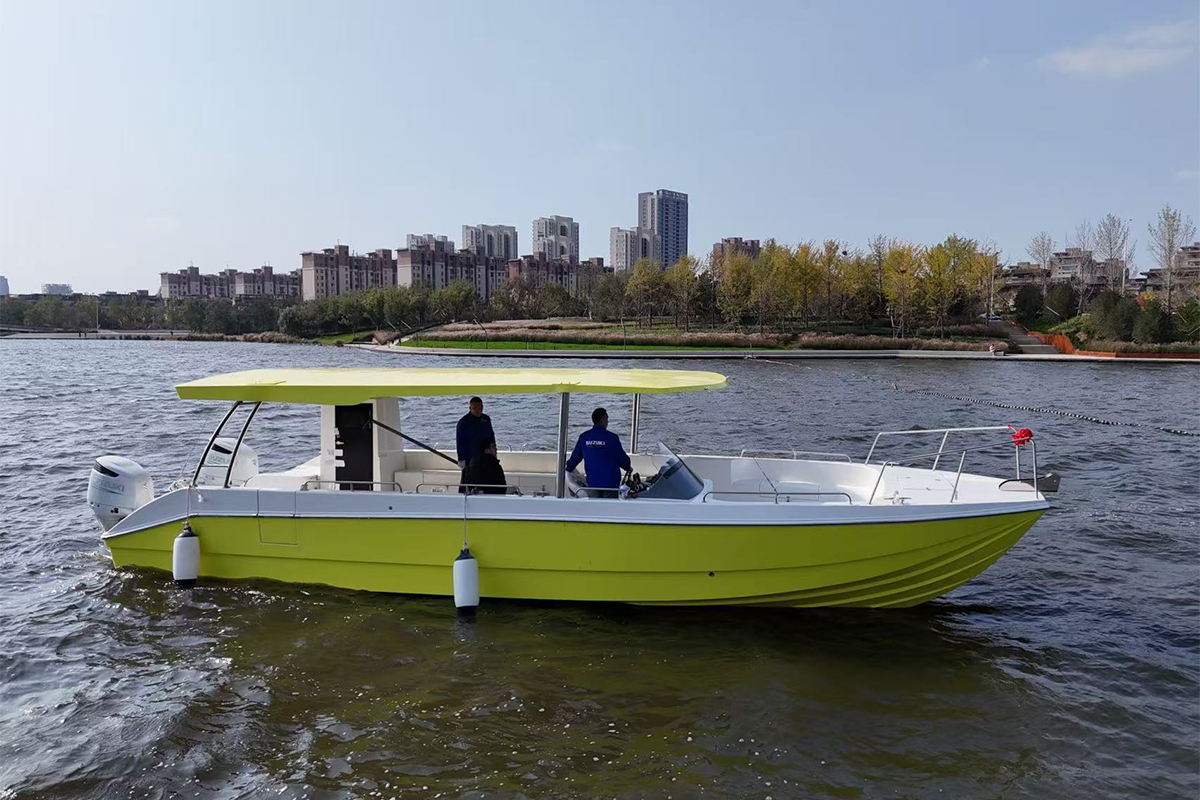
Evaluating a boat requires bridging the gap between shiny boat show specifications and real-world operational outcomes. Numbers on a brochure mean very little until you cross a rough channel. Let us examine how specific layout features translate into tangible benefits for owners and operators.
The signature feature of this vessel type is the bridgedeck layout. Designers place the salon, galley, and cockpit on the exact same level. This creates an expansive, unified living space. The outcome is phenomenal 360-degree visibility from the helm and salon. You enjoy superior cross-ventilation through large sliding glass doors. The twin hulls provide distinct separation for private cabins. Guests sleep comfortably in isolated port and starboard quarters. It genuinely feels like a floating luxury apartment.
Each individual hull features a very narrow profile. These slim shapes slice through the water easily. They generate minimal wave-making resistance compared to wide monohulls. This efficiency reduces the overall engine workload. The outcome is dramatically lowered fuel consumption over long offshore passages. You achieve higher cruising speeds using much less horsepower. Operators enjoy significantly cheaper fuel bills compared to displacement monohulls of similar total volume.
Offshore cruising demands reliable safety margins. Multi-hulls inherently excel here through complete system redundancy. You typically get dual engines, separate rudders, and isolated electrical banks. If one engine completely fails mid-ocean, the vessel remains fully operational. You can still motor safely to the nearest port. Twin engines positioned far apart make the vessel highly maneuverable. You have the ability to pivot the boat perfectly in place. This redundancy significantly lowers operator anxiety during tight marina docking.
Vessel Type Comparison Summary
Design Element | Monohull Experience | Multi-Hull Experience |
|---|---|---|
Stability Mechanism | Weight stability (heavy keel) | Form stability (wide beam) |
Average Heel Angle | 15 to 25 degrees | 0 to 5 degrees |
Living Layout | Subterranean (down steps) | Single-level bridgedeck |
Engine Setup | Single engine standard | Dual independent engines |
Urban coastal centers and regional transport operators face growing congestion. They require reliable, high-capacity, and low-impact water transit solutions. Commercial operators increasingly turn to specialized multi-hull designs to move people efficiently. A commuter catamaran offers unmatched scalability for mass transit networks.
Non-sailing passengers despise seasickness. The aggressive rolling motion of traditional ferries often causes severe nausea. The high form stability of twin hulls radically reduces this rolling action. It keeps passengers highly comfortable during turbulent crossings. Wide, stable boarding platforms expedite passenger loading and unloading. Planners can easily integrate flush ramps. This seamless access ensures strict ADA compliance. It also dramatically improves operational turnaround times at busy urban docks. Shorter dwell times translate directly into higher daily revenues.
Operating large vessels near fragile coastlines requires strict environmental care. The incredibly slim hull design of a commuter catamaran produces a significantly smaller wake profile. Heavy displacement ferries generate massive, destructive waves. Slim twin hulls slice cleanly through the surface, displacing less water laterally. The outcome is the unique ability to operate at much higher speeds. Operators can maintain tight schedules even inside environmentally sensitive or highly regulated no-wake zones. They move passengers swiftly without eroding nearby shorelines or damaging local marine habitats.
Sales brochures rarely discuss friction points. We must address these limitations to build genuine trust and transparency. Every marine design involves compromises. You need to understand the physical constraints before purchasing a large multi-hull vessel.
Overloading ranks as a primary risk. These vessels rely entirely on extreme lightness for their stellar performance. Owners often treat them like floating storage units. Overloading the boat with extra gear, water toys, heavy dive compressors, or excessive tankage causes severe issues. It pushes the hulls deeper into the water. This significantly degrades overall boat speed. More importantly, it reduces crucial bridge-deck clearance. Low clearance leads to violent wave slamming under the floorboards during rough seas. You must actively manage your cargo weight.
The expansive width introduces major financial hurdles. A standard 40-foot multi-hull boasts a beam nearing 25 feet. This extreme width significantly impacts berthing availability. Standard slips cannot accommodate them. You often require a specialized T-dock, an end-tie, or a double slip. The outcome is expensive. Marina fees can easily be 1.5 to 2 times higher than a monohull of the exact same length. Furthermore, routine maintenance requires specialized haul-out facilities. Not every boatyard owns a travel lift wide enough to hoist them.
Sailing directly into the wind exposes inherent aerodynamic flaws. The large bridgedeck acts like a solid wall catching wind resistance. Combined with the lack of a deep keel, these boats slide sideways slightly. The outcome is noticeably wider tacking angles. Sailing upwind is generally much slower. It proves far less efficient than a sleek performance monohull. Cruisers often choose to simply turn on the engines rather than fight tight upwind angles.
Selecting the perfect boat requires strict logic. You must cross-reference your budget, primary application, and intended geography. This decision framework helps clarify your final path.
Many buyers dream of escaping to the tropics. They want to host friends or live aboard full-time in warm climates.
Success Criteria: Maximizing daily living space, ensuring excellent guest privacy, and achieving absolute anchorage stability.
Verdict: The multi-hull is the undeniable clear winner here. The apartment-like layout and flat floating posture make long-term living incredibly comfortable.
Some sailors crave extreme adventures or competitive racing. They plan to tackle massive Southern Ocean swells or navigate icy fjords.
Success Criteria: Superior upwind pointing ability, self-righting capabilities in extreme seas, and a lower berthing footprint.
Verdict: A heavily ballasted monohull remains preferable. It punches through rough upwind seas better and fits into smaller, remote harbors easily.
Avoid rushing into a massive financial commitment. Follow these practical steps to validate your decision:
Charter a multi-hull in your expected typical conditions before purchasing to experience the motion firsthand.
Establish a hard, realistic budget for annual maintenance, keeping double engines in mind.
Confirm slip availability and exact pricing in your target home ports before signing any purchase contract.
Inspect the bridge-deck clearance on fully loaded models to gauge potential wave-slamming risks.
Multi-hull vessels are not universally "better" boats across every metric. They are uniquely optimized platforms built specifically for space, stability, and operational efficiency. The physics of twin hulls permanently solves the fatigue associated with constant heeling. You gain unparalleled access to shallow waters. For those prioritizing level sailing, comfortable living spaces, or commercial commuter viability, the premium in purchase price and docking fees makes absolute sense. You offset these premiums through tangible daily outcomes in crew comfort and system safety.
To move forward confidently, carefully assess your true payload needs. Keep your gear light to maintain performance. Map out your local marinas and call dockmasters to verify wide-slip availability. Finally, schedule a sea trial in choppy conditions. Pay close attention to how the vessel moves compared to your past experiences.
A: Safety depends on the definition. Multi-hulls utilize immense form stability and built-in buoyancy, making them virtually unsinkable. However, monohulls possess a heavy keel providing ultimate self-righting ability. If a monohull rolls, it pops back up. A multi-hull offers a smoother ride in rough seas, but if capsized in catastrophic conditions, it remains upside down.
A: This is a common misconception. While they are significantly wider, twin engines spaced far apart make them highly maneuverable. By putting one engine in forward and the other in reverse, you can spin the vessel tightly in place. They are actually easier to dock than single-engine monohulls.
A: Capsizing is technically possible in extreme hurricane conditions or massive breaking wave environments. However, modern cruising models are heavily engineered to stay upright. Capsizing typically requires immense operator error, such as carrying far too much sail area into a severe squall. Proper reefing prevents this.
A: Yes, maintenance is generally higher. You are maintaining two engines, two sail drives, and two separate hulls. This means double the mechanical servicing and double the anti-fouling paint during haul-outs. You must budget appropriately for these duplicated mechanical systems.


