

 News
News Views: 0 Author: Site Editor Publish Time: 2026-08-04 Origin: Site


Imagine standing on the upper deck of a massive cruise ship. You look over the railing toward the water below. Suddenly, a small, fast vessel pulls precariously close to the moving ship. Many passengers assume something is wrong immediately. They might think it is a medical emergency. Others suspect a coast guard interception or a late passenger trying to board.
However, this scenario is a routine and mandatory maritime safety protocol. The small vessel serves as a dedicated delivery mechanism. It safely transports a local maritime pilot to the cruise ship. This highly coordinated transfer ensures the multi-billion-dollar vessel navigates localized harbor hazards safely. The procedure keeps the ship and its passengers in full compliance with international maritime law. You will learn exactly why these small vessels are crucial for global travel. We will explore the rigorous safety standards governing these transfers. You will also understand the specialized engineering behind them.
Mandatory Compliance: Pilot boats deliver local maritime experts (pilots) to cruise ships; this is a legal and insurance requirement for entering or leaving most global ports.
Specialized Capability: A pilot boat is a highly engineered work boat designed specifically for stability, speed-matching, and impact resistance in extreme weather conditions.
Continuous Motion Transfer: The transfer happens while both ships are moving (typically 8–10 knots) to maintain steering control and create a safe windbreak (a "lee").
Operational Distinction: The pilot provides navigational instructions, while the cruise ship's captain retains ultimate command and responsibility of the vessel.
Cruise ship captains possess deep ocean-faring expertise. They master open-water navigation. They handle complex weather routing and manage massive crew operations. However, they cannot maintain micro-local knowledge for hundreds of global destinations. Harbors feature shifting sandbars. They hide sunken wrecks and experience extreme tidal anomalies. For example, navigating a shallow Caribbean coral reef requires vastly different knowledge than transiting a deep Norwegian fjord. Ports also deal with constantly changing commercial traffic. A local maritime pilot brings this crucial missing piece of the puzzle. They know every inch of the local harbor channel.
Port authorities strictly regulate all harbor entries. Maritime insurance underwriters also demand stringent safety measures globally. They mandate local pilotage for all large commercial vessels. Without a maritime pilot on board, a cruise ship simply cannot enter the harbor legally. The same rule applies when leaving the port. This mandatory compliance ensures universal safety standards across different countries.
This rule represents a robust risk management strategy. Grounding a cruise ship results in massive financial liability. It causes severe environmental damage to delicate coastal ecosystems. It also triggers catastrophic operational downtime for the cruise line. The pilot provides a localized operational risk mitigation strategy. They ensure the ship navigates narrow channels flawlessly. We rely on this localized expertise to protect billions of dollars in maritime assets. Thousands of human lives depend on this seamless transition of local knowledge.
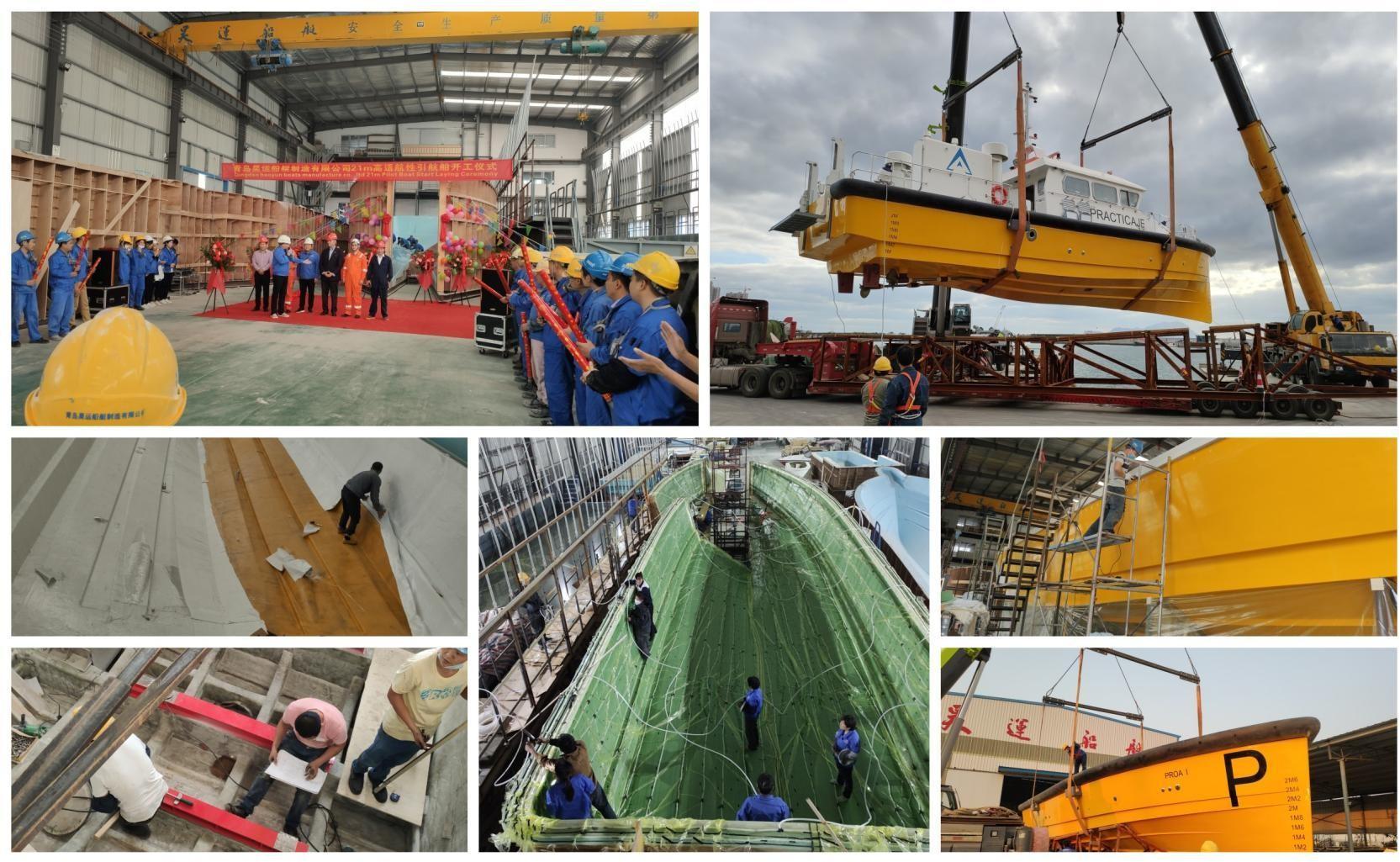
You might wonder what makes these transport vessels so special. We must differentiate a standard commercial Work Boat from a purpose-built pilot vessel. Standard boats transport goods. They conduct general harbor maintenance or move construction supplies. A dedicated pilot boat handles extreme offshore conditions while safely approaching massive steel hulls. Engineers build them to survive punishing environments day and night.
Let us look at key evaluation dimensions. These specialized features translate directly to crucial safety outcomes.
Self-Righting Hulls: Engineers design these hulls to roll a full 360 degrees. They recover instantly in heavy offshore swells. The cabin remains watertight. This ensures operational continuity during harsh weather events.
Heavy-Duty Fendering: The boat features a reinforced, energy-absorbing rubber exterior. This heavy fendering allows the vessel to safely "bounce" against a cruise ship. It presses firmly against the steel hull without sustaining structural damage.
Precision Propulsion: These vessels boast an incredibly high power-to-weight ratio. The twin engines must provide massive instant torque. This ensures the boat can rapidly break away from the cruise ship's hydrodynamic suction. Mariners call this dangerous suction force the venturi effect. It pulls smaller vessels toward the larger ship.
Impact-Resistant Seating: Engineers install specialized suspension seating inside the cabin. This seating protects the crew from severe spinal injuries. The boat repeatedly slams into heavy ocean waves at high speeds.
Visibility also plays a vital role in harbor safety. International maritime conventions dictate specific visibility standards. You will often see bright orange, red, or yellow color schemes. These bright colors ensure high contrast against dark ocean water. These vessels also display specific masthead lighting at night. The standard requires a white light positioned over a red light. This signal universally identifies a vessel engaged in active pilotage duty. Other ships see these lights and immediately grant them the right of way.
The actual transfer protocol often surprises casual observers. You might logically expect the massive cruise ship to stop completely. Instead, the transfer happens while both vessels maintain forward momentum. Ships need this forward speed to maintain active rudder control. If a massive ship stops, it loses steerage. It then drifts dangerously in the ocean currents. Therefore, the approaching vessel must precisely match the cruise ship's speed. This typically happens at speeds between 8 and 10 knots.
Before the physical approach begins, both ships communicate extensively over VHF radio. The bridge officers confirm the exact speed, heading, and ladder placement. To ensure safety, the cruise ship captain alters the ship's course slightly. They turn the massive hull to block the prevailing wind and incoming waves. This careful maneuver creates a calm pocket of water along the ship's side. Mariners refer to this calm area as a "lee." It gives the smaller vessel a much safer approach angle. It minimizes the extreme vertical pitching caused by ocean swells.
The boarding process involves strict International Maritime Organization (IMO) standards. The crew rigs a specialized ladder down the side of the cruise ship. This ladder uses specific wooden steps and heavy-duty manila ropes.
Consider these severe implementation risks during the physical transfer:
The pilot steps from a violently pitching deck onto a swinging rope ladder.
They must perfectly time their step with the peak of the ocean swell.
They climb a sheer steel wall while the ocean churns directly below them.
A slip can result in falling between two massive, moving vessels.
This transition remains one of the most hazardous routine jobs in the maritime industry. We must recognize the objective physical danger these professionals face daily. Common mistakes in ladder rigging can prove fatal. Therefore, the cruise ship crew inspects the ladder components rigorously before every single transfer.
Passengers often see multiple small vessels circling the ship upon arrival. This causes understandable visual confusion. We need to clarify the distinct roles of these different harbor assets. They look similar from a distance, but they serve entirely different operational purposes.
The pilot delivery vessel acts as the "brains" of the operation. It is fast, highly agile, and built for a single human delivery purpose. It brings the navigational expert to the scene. Once the pilot safely transfers onto the cruise ship, this swift vessel leaves the immediate area. It returns to the pilot station to wait for the next inbound ship.
In contrast, the tugboat serves as the "muscle." Tugs are much slower but immensely powerful. They feature massive underwater propulsion units. They stay closely tethered or float nearby the cruise ship during the entire arrival. They push against the hull. They pull heavy tow lines. They provide critical mechanical assistance during the final docking procedures in tight spaces.
Port authorities carefully shortlist the fleet needed for each ship arrival. They deploy different assets based on highly specific criteria. First, they evaluate the ship's overall size and water displacement. Second, they monitor the current weather and local wind conditions. Finally, they assess the extreme narrowness of the harbor channel.
Here is a clear comparison chart outlining these operational differences.
Asset Category | Primary Operational Role | Vessel Speed & Agility | Duration of Ship Interaction |
|---|---|---|---|
Pilot Delivery Vessel | Transports the local navigational expert | High speed, extreme agility | Leaves immediately after the human transfer |
Escort Tugboat | Provides physical pushing and pulling power | Slower speed, massive towing torque | Stays attached or nearby until fully docked |
Harbor Patrol | Ensures security and clears local traffic | High speed, light construction | Patrols the perimeter during the entire transit |
Understanding this protocol provides tremendous decision reassurance for passengers. The boarding process acts as a clear testament to the cruise industry's layered safety protocols. It proves redundant, expert systems exist before the ship ever nears shallow water. You can trust the rigorous maritime framework protecting your journey. It operates silently in the background of your vacation.
We encourage passengers to engage in evidence-oriented observation. You can safely observe the transfer process from the open decks. When you look over the railing now, you know exactly what you are watching. It is a highly choreographed, compliance-driven maneuver. It is never a makeshift or emergency operation. Watching the precision speed-matching offers a thrilling glimpse into professional seamanship.
If you want to dive deeper into marine safety, take some actionable next steps. Professionals evaluating maritime operations should review the specific safety charters of their chosen cruise line. You can also look up local port authority guidelines online. These public documents detail the rigorous training required for harbor navigation. They outline the exact weather parameters allowed for safe ladder transfers. Learning these details enhances your appreciation for modern maritime logistics.
The small, bright vessel you see alongside your cruise ship plays a monumental role. It forms the critical link between the deep open ocean and a safe, local harbor. The local navigational expert ensures the giant ship maneuvers perfectly through restricted waters. They guide the vessel past unseen underwater hazards and complex local traffic.
This specialized transport vessel and its highly trained crew represent a non-negotiable layer of maritime compliance. The industry strictly prioritizes asset protection and passenger safety over operational convenience. Cruise lines spare no expense in adhering to these local regulations. The next time you spot that fast-moving vessel approaching your ship, you will understand its profound importance. You will witness firsthand the dedication required to keep global cruise operations safe and secure.
A: No. The pilot issues specific navigational instructions, including helm and engine orders. However, the cruise ship's Captain remains in absolute legal command. The Captain and the ship's bridge team execute the pilot's orders. The Captain retains the ultimate authority and responsibility for operating the vessel safely.
A: If ocean swells exceed safe physical transfer limits, the port authority may close the harbor. The cruise ship will hold offshore, delay its arrival, or reroute entirely to a safer port. Safety parameters for ladder transfers are strict, highly regulated, and completely unforgiving.
A: They service almost all large commercial vessels entering or leaving a port. Some smaller vessels may be exempt. Captains with specific "pilotage exemption certificates" due to high frequency in that exact port may also bypass this requirement. However, massive cruise ships almost universally require them.


