

 News
News Views: 0 Author: Site Editor Publish Time: 2026-09-10 Origin: Site


Selecting the right maritime asset for an offshore project is a high-stakes decision. Operational delays, compliance failures, or capability mismatches can easily cost millions of dollars. You simply cannot afford to make the wrong choice when mobilizing an offshore campaign. As offshore operations move into deeper, more hostile waters, the stakes grow even higher. Simultaneously, the renewable energy sector continues to expand rapidly. These ongoing industry shifts mean the technical requirements for maritime support have grown increasingly complex. You need assets capable of operating flawlessly in extreme environments. This guide provides a clear framework for evaluating and shortlisting the exact vessel class required for your specific offshore deployment. You will learn how to balance necessary technical capabilities against strict regulatory realities. We will help you navigate this intricate procurement matrix effectively and securely.
Vessel selection must align strictly with specific project phases: exploration, construction, or maintenance.
Dynamic Positioning (DP) class and deck capacity are the primary cost-drivers and operational bottlenecks to evaluate.
Regulatory compliance (e.g., ABS, DNV, USCG standards) and regional cabotage laws dictates vessel availability and shortlisting logic.
Transitioning from traditional oil and gas to offshore wind requires specific assets, such as Service Operation Vessels (SOVs), rather than standard supply ships.
No single maritime asset handles everything efficiently. Evaluating Offshore Support Vessels begins by mapping the unit to your project lifecycle. You must define your operational needs precisely before reviewing any technical specifications. An exploration phase demands completely different support than long-term maintenance.
You must differentiate between bulk liquid transport and heavy deck cargo. Drilling mud, fresh water, and marine fuel require specialized below-deck tank capacities. Conversely, oversized equipment requires massive clear deck area. Wind turbine blades or large subsea modules need unobstructed space. You cannot easily mix these priorities. Optimizing for liquid volume often reduces available deck space. Determine your primary payload to filter out unsuitable candidates early.
Always assess the exact water depth and typical sea states. These factors dictate hull shape and propulsion needs. Determine the necessary precision for holding position near installations. Fixed platforms present different collision risks compared to floating structures. Rough waters demand exceptional hull stability to ensure safe cargo transfers. You must align vessel specifications directly against these harsh environmental realities. Failing to account for local sea states guarantees costly operational downtime.
Understanding vessel taxonomy prevents critical procurement errors. Each vessel category serves a distinct operational purpose. Choosing an over-specified vessel drains your budget unnecessarily. Selecting an under-specified vessel compromises safety.
PSVs form the logistical backbone of the offshore industry. They handle high-volume routine transportation. Operators rely on them to move cargo, fuel, and provisions safely. They travel between coastal bases and offshore installations continuously. Their design maximizes both deck area and below-deck storage tanks. Use them for general supply duties across extended campaigns.
These vessels serve as the heavy lifters of the sea. Operators require them for towing floating rigs across oceans. They also place massive anchors in deep water to secure these rigs. High bollard pull represents the most critical metric here. Bollard pull measures the absolute pulling power of the vessel. You need exceptional power to handle heavy mooring chains safely.
SOVs represent the modern renewable energy standard. They are critical for offshore wind farm maintenance. These vessels feature motion-compensated gangways. This technology allows technicians to walk safely onto turbines during rough seas. SOVs also include extensive onboard accommodations. They function as floating hotels and warehouses for maintenance crews.
These represent highly specialized assets. Companies deploy them for complex subsea construction. They handle Remotely Operated Vehicle (ROV) operations seamlessly. Dive support variants include built-in hyperbaric chambers for human divers. You need these for intricate underwater maintenance and pipeline inspections. They carry heavy subsea cranes to lower equipment to the seabed.
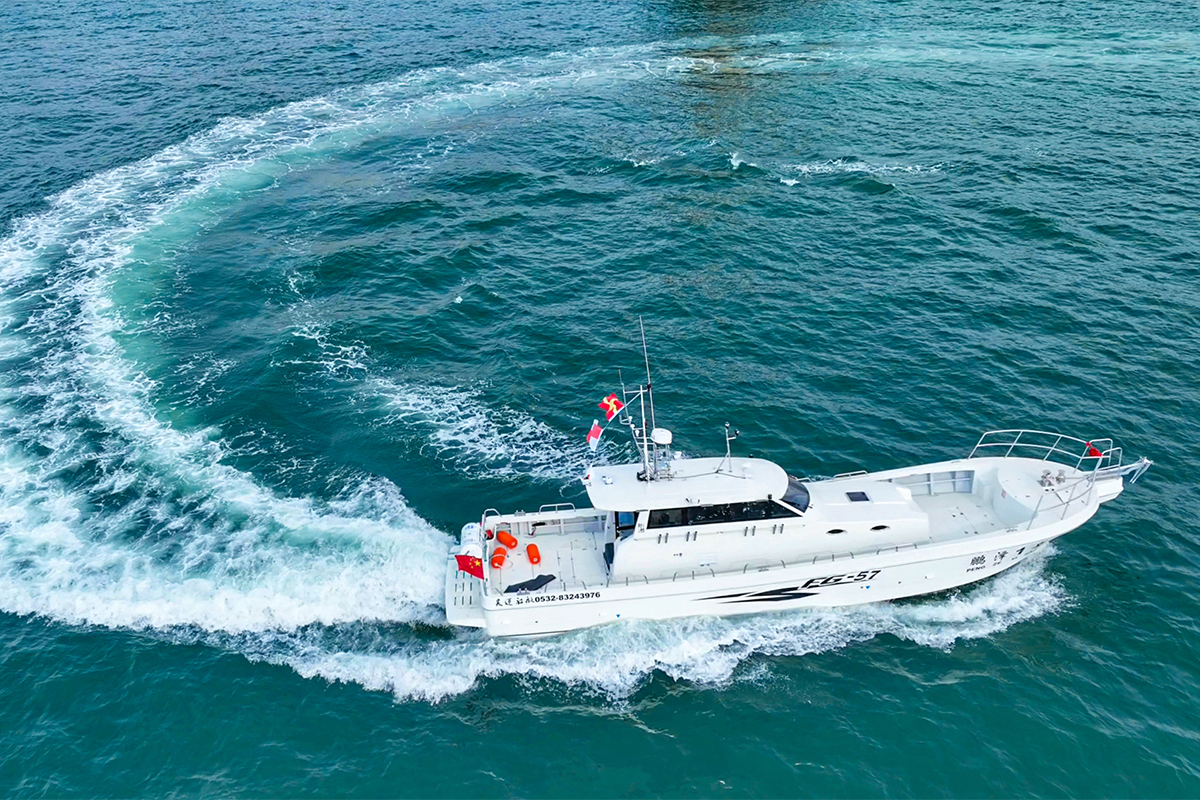
These units are smaller, faster, and highly maneuverable. A utility boat is optimal for light duties. They handle localized equipment transfer perfectly. They enable rapid crew deployment between nearby installations. Chartering a massive PSV for a small crew change is extremely cost-prohibitive. Use smaller vessels to optimize your daily logistics budget smartly.
Vessel Class | Primary Function | Defining Feature |
|---|---|---|
PSV | Routine cargo and fluid transport | Large clear deck and under-deck tanks |
AHTS | Towing rigs and anchor handling | High bollard pull and heavy winches |
SOV | Wind farm maintenance support | Motion-compensated walk-to-work gangways |
MPSV | Subsea construction and ROV duties | Heavy subsea cranes and moonpools |
CTV | Fast personnel transport | High speed and shallow draft |
After defining the category, you must evaluate specific technical metrics. The underlying technology determines how safely the vessel performs. Do not overlook these technical capabilities during the shortlisting phase.
Dynamic Positioning allows a ship to hold its exact coordinates. It uses computer-controlled propellers and thrusters. You must frame your decision based on redundancy requirements. DP1 offers no redundancy. If the system fails, the vessel drifts immediately. DP2 serves as the mandatory standard for most offshore work. It features split power systems. If one section fails, the other maintains the vessel's position. DP3 takes this further. It requires completely separate physical fire subdivisions. You must mandate DP3 for high-risk, closed-proximity operations.
DP Level | Redundancy Standard | Typical Application |
|---|---|---|
DP1 | None | Open water surveys, light supply |
DP2 | System-level (split bus) | Standard rig supply, wind farm support |
DP3 | Physical separation (fire/flood) | Close-quarters subsea construction, diving |
Evaluate the vessel's fuel efficiency aggressively. Compare daily fuel consumption against its deadweight tonnage (DWT). Look closely at the clear deck area relative to fuel burn. A massive vessel consuming excessive fuel for a light payload destroys project margins. You want the highest cargo capacity paired with the lowest engine load.
The maritime industry is shifting toward greener operations rapidly. Evaluate whether battery-hybrid systems align with your project goals. Battery banks shave peak power loads during operations. They reduce fuel burn significantly during DP standby modes. Dual-fuel capabilities utilizing LNG or Methanol are becoming prevalent. These systems ensure compliance against tightening environmental regulations. They help meet corporate ESG mandates over a long project lifespan.
Projects frequently require long-term offshore stays. This is especially true for SOVs servicing distant wind farms. You must evaluate onboard accommodation standards meticulously. High-quality cabins, reliable internet, gyms, and cinemas are no longer luxuries. They represent critical tools for ensuring crew retention. Better habitability directly reduces fatigue. Well-rested crews maintain higher safety standards.
Technical capability means nothing without regulatory approval. You cannot legally operate a vessel lacking proper certification. Understanding this landscape prevents costly legal delays.
Ensure your chosen vessel meets rigorous baseline standards. Organizations like the American Bureau of Shipping (ABS) dictate these rules. DNV and Lloyd's Register also serve as major classification authorities. They certify structural integrity and system reliability. Insurance companies require these certifications before underwriting any project risk. You must audit a vessel's classification status before signing any charter agreement.
Acknowledge geographic restrictions early in your planning. The physical location of the offshore project dictates vessel eligibility entirely. Regional cabotage laws protect domestic shipping markets. The Jones Act in the United States serves as a prime example. It requires vessels operating between US points to be American-built and American-crewed. Non-compliant vessels introduce immediate legal blocks. They will halt your operations before they even begin.
Safety regulations protect human life at sea. Validate the vessel's safety systems thoroughly. Firefighting capabilities must match the hazards of your specific project. Life-saving appliances must accommodate the maximum number of personnel onboard. Ensure the vessel meets specific Coast Guard mandates for your jurisdiction. Complying strictly with the Safety of Life at Sea (SOLAS) convention is non-negotiable.
Procuring maritime assets involves significant financial and operational risks. You must structure your evaluation process to mitigate these dangers effectively. A systematic approach prevents expensive oversights.
Warn your procurement team against selecting vessels based solely on day rates. A low day rate often masks hidden operational expenses. Factor in daily fuel consumption carefully. An older ship burns significantly more marine diesel. Account for mobilization and demobilization costs based on the vessel's current location. Calculate potential maintenance downtime caused by aging equipment. Always look at the comprehensive operational expenses over the entire charter period.
A highly advanced vessel is only as effective as its crew. A DP3 MPSV requires specialized human expertise. If the operators lack sufficient training, the technology becomes useless. Evaluate the operator’s training standards rigorously. Scrutinize their historical safety records. Demand to see the DP operator logs. Inexperienced crews increase collision risks exponentially.
Follow a disciplined sequence to filter available assets on the market.
Define the operational minimums clearly. Document required bollard pull, DP class, and clear deck space.
Filter the global fleet by regional compliance and immediate geographic availability.
Audit the vessel’s recent operational history and current classification status.
Issue targeted Requests for Quotation (RFQs) to qualified brokers or established fleet operators.
Sourcing these complex maritime assets requires deep analytical discipline. It demands balancing technical specifications, regulatory hurdles, and budget constraints simultaneously. You must approach this matrix methodically to protect your project timeline.
Base your final chartering decisions strictly on verifiable vessel data and engineering facts.
Ensure absolute adherence to regional cabotage laws and international classification standards.
Match the asset specifically to your exact project phase requirements to avoid over-spending.
Prioritize fuel efficiency and modern hybrid technologies to manage long-term operational expenses.
Do not navigate this procurement journey alone. Consult immediately with a specialized marine broker or classification expert. Let them audit your project’s technical specifications thoroughly before you finalize any binding charter agreement.
A: PSVs are optimized for logistics. They maximize cargo transport and clear deck space. Conversely, AHTS vessels are engineered for pulling power. They feature heavy winches and high bollard pull. Operators use them specifically for towing and anchoring large floating structures.
A: You should deploy smaller craft for light logistical support. They excel at localized surveys and fast personnel transfers. They provide the most cost-effective solution when you do not need massive cargo capacities or heavy lifting capabilities.
A: DP allows a vessel to maintain its exact position and heading automatically. It uses its own propellers and thrusters to counteract wind and waves. This precise control is a mandatory safety requirement for operating near fixed platforms or wind turbines.
A: Societies like ABS or DNV certify structural soundness. They verify the vessel is technically fit for its specific operational purpose. This independent certification is an absolute prerequisite. You need it for insurance coverage, regulatory approval, and operator liability mitigation.


