

 News
News Views: 0 Author: Site Editor Publish Time: 2026-06-12 Origin: Site


The modern offshore market has drastically changed over the last decade. Purely utilitarian vessels are rapidly fading from active marinas. Today, discerning buyers demand dual-purpose offshore assets. They expect vessels merging aggressive performance and absolute luxury. You face a distinct buyer's dilemma during this transition. Balancing tournament-grade capabilities and premium amenities presents a tough challenge. You absolutely cannot compromise hull integrity or operational range. We designed this comprehensive guide to provide a transparent evaluation. We base our insights on hard evidence and engineering realities. We will explore current design trends shaping the marine industry. You will learn exactly how to specify new custom builds. Ultimately, this framework helps you assess brokerage inventory properly. You can apply these lessons for private family use. They are equally critical for launching a commercial charter service.
Advancements in composite materials and hull architecture are delivering measurable improvements in fuel efficiency and rough-water handling.
Omnidirectional sonar and gyro-stabilization have transitioned from luxury add-ons to baseline requirements for competitive sport fishing and high-end charter appeal.
Interior comfort trends are driving a "crossover" market, merging the volume of a traditional motor yacht with the cockpit functionality of a sport yacht.
Bleeding-edge marine technology introduces maintenance dependencies; buyers must weigh operational benefits against remote-service realities.
Buyer expectations look entirely different today compared to earlier eras. Yesterday's bare-bones standard no longer satisfies the modern owner. You now expect these massive vessels to run 40-plus knots offshore. At the same exact time, they must provide climate-controlled comfort. Vibration-free environments are no longer optional luxuries. This massive shift redefines the baseline for offshore marine engineering. Integrating luxury comfort features directly impacts your asset utilization rates. Families simply spend much more time on comfortable, stable boats. Better amenities also protect your long-term asset resale value. They are uniquely critical if you operate a premium charter operation.
However, serious naval design trade-offs exist under the surface. Adding heavy luxury amenities creates a complex balancing act. Modern stabilizers and larger dual generators add significant dead weight. This creates inherent friction against maintaining shallow drafts. You must carefully balance these heavy luxury additions. Top-end speed will suffer if you ignore the power-to-weight ratio.
Define your absolute minimum speed requirements before adding heavy gyros.
Consult naval architects about optimal weight distribution for extra generators.
Prioritize lightweight luxury amenities that directly enhance guest comfort.
Avoid overloading the bow area to maintain proper running angles.
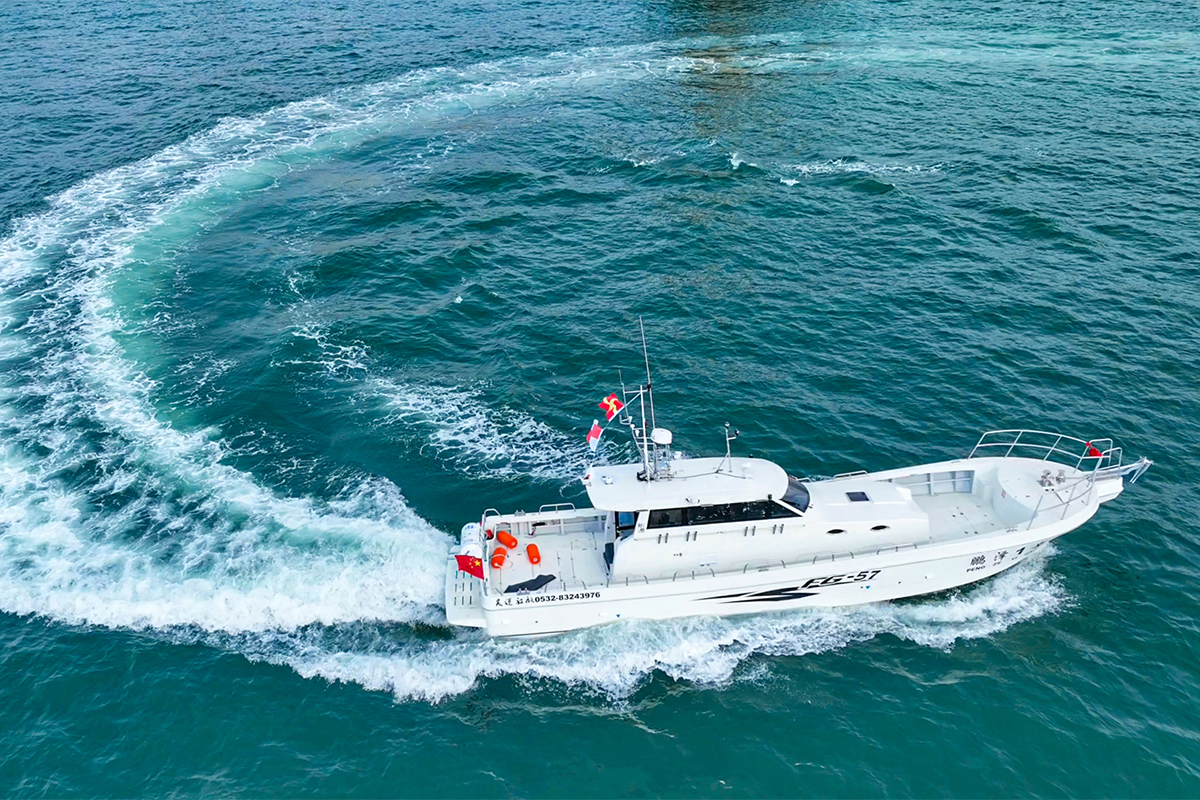
Modern boat builders increasingly rely on advanced space-age composites. Carbon fiber and epoxy-infused hulls completely dominate new premium builds. We evaluate these synthetic materials primarily through vital weight savings. They also offer incredible structural rigidity during harsh impacts. You gain excellent long-term fatigue resistance over decades of use. They handle pounding seas much better than traditional hand-laid fiberglass.
Hydrodynamic trends show a fierce, ongoing industry debate. Stepped hulls compete heavily against traditional deep-V running bottoms. We must take an objective look at these hydrodynamic trends. Stepped hulls offer clear, measurable speed and fuel economy gains. They reduce wetted surface area efficiently by introducing air cushions. However, deep-V designs still handle following seas significantly better. They track straighter when surfing down large ocean swells. You must assess your primary local ocean conditions objectively.
Propulsion systems also highlight a massive global market shift. High-horsepower outboards now power very large center consoles. Quads and quintuplet engine setups are increasingly common. Meanwhile, traditional inboard diesels remain standard on custom sport boats. You must consider your true range requirements very carefully. Outboards offer easier, cheaper maintenance intervals but burn more fuel. Inboards provide superior, unmatched maneuverability for backing down on fish.
Let us examine stabilization systems first. You generally must choose between internal gyro units and active fins. Gyros require significant space allocation deep inside the hull structure. They also draw substantial electrical power from the generator. However, their real-world impact on fatigue reduction is absolutely massive. They transform grueling multi-day trips into pleasant experiences. Active fins create drag but work incredibly well underway.
Next-generation electronics suites are evolving at a breakneck pace. We see seamless integration of advanced omnidirectional sonar. Augmented reality displays map the ocean floor instantly on screens. Dynamic positioning systems hold your fishing yacht perfectly still. They keep you precisely over a deep reef effortlessly. Yet, you face distinct risk factors with these complex systems. Proprietary lock-in can heavily limit your future hardware upgrades. Software update reliability varies wildly among different marine manufacturers. You absolutely need backup redundancy for remote offshore operations.
Cockpit ergonomics directly influence your crew's daily operational efficiency. Builders now integrate unobtrusive, pressurized livewell systems flawlessly. Automated hydraulic outriggers deploy quickly at the push of a button. Air-conditioned mezzanine seating layouts keep observers comfortable. They stay engaged but safely out of the crew's way.
Loud engine noise and harsh vibration destroy onboard comfort quickly. Builders now utilize advanced acoustic and thermal insulation materials. The engineering behind mitigating this mechanical noise is highly complex. Success comes down to precise, verified decibel readings. You want whisper-quiet interior levels at high cruise speeds. Floating interior floors help isolate the cabin from hull vibrations.
Thermal management is equally crucial in extreme tropical climates. Upgraded chilled-water systems keep cabins exceptionally cool in summer heat. Spatial optimization completely defines the modern sport yacht. Flush-deck layouts remove frustrating, dangerous tripping hazards outside. Expanded beam designs open up massive interior salon space. Panoramic hull windows flood the main interior with natural light. Expert engineering ensures these windows never compromise structural hull integrity.
Charter-ready layouts require several specific, non-negotiable interior features. En-suite staterooms provide vital, expected privacy for paying guests. Expansive galleys allow onboard chefs to prepare five-star meals. Dedicated, isolated crew quarters are strictly required for professional operations. They offset operational costs by keeping your crew well-rested. A happy crew directly translates to highly satisfied paying clients.
Maintaining highly networked, sensor-heavy yachts introduces serious daily complexity. You must account for frequent, strict ongoing maintenance requirements. Sensitive sensors require regular calibration to function accurately offshore. Complex software networks occasionally experience unexpected, frustrating downtime. You must maintain strict compliance with marine electrical safety standards.
Build timelines present another major, unavoidable implementation risk. Specifying custom technologies extends initial delivery dates significantly. The global supply chain for specialized components remains incredibly tight. You might wait several months for custom gyro units. Specific high-output diesel engines often suffer from massive production backlogs. You must plan your build schedule with generous buffer periods.
Serviceability in remote locations is your biggest practical operational hurdle. You must evaluate bleeding-edge tech critically before writing a check. Can local boatyards in the Bahamas service your advanced vessel? Does Costa Rica have certified technicians for your proprietary systems? Sometimes, you must fly in specialized factory technicians at great expense. This harsh reality often delays your precious time on the water.
Ignoring local service network availability when choosing electronics brands.
Underestimating manufacturing lead times for custom gyro stabilizers.
Failing to stock spare critical sensors and pumps onboard.
Relying solely on digital manuals without downloading offline copies.
You need a clear, objective matrix to align desired features. Define your primary use case truthfully before starting negotiations. Consider if you genuinely prioritize tournament fishing over casual cruising. Alternatively, you might actually prefer family comfort above all else. Evaluating custom builders requires strict historical performance criteria. Assess how well a yard handles complex carbon composites. Verify their historical track record with dense electrical integrations.
Your next steps demand precision and professional guidance. Establish a detailed, uncompromising specification sheet with your build captain. Consult an independent marine surveyor about potential technological obsolescence. Always arrange comprehensive sea trials in challenging offshore conditions. Do not test a Sport Fishing Yach on a perfectly calm day. You must feel how the hull reacts to real turbulence.
Feature Focus | Tournament Heavy (80/20) | Cruising & Charter Heavy (20/80) |
|---|---|---|
Hull Priority | Speed, shallow draft, agile backing | Volume, stability, expanded beam |
Cockpit Layout | Maximized deck space, dual livewells | Mezzanine dining, shade extensions |
Technology Focus | Omnidirectional sonar, fast DPS | High-capacity gyros, Starlink internet |
Interior Amenities | Utilitarian sleeping quarters, rod storage | En-suite staterooms, premium galleys |
The most successful offshore vessels solve specific operational problems. They do not adopt bleeding-edge technology purely for temporary novelty. Smart designs directly enhance your limited time on the water. Every feature should serve a distinct, measurable operational purpose. Focus heavily on structural integrity, realistic maintenance, and proven comforts. We highly recommend auditing your specific build requirements very soon. Consult an experienced yacht broker or a licensed naval architect today. They can help you view vetted brokerage inventory confidently. Take control of your next major marine investment now.
A: A gyro introduces a noticeable weight penalty. However, it rarely ruins hull efficiency completely. Top speed loss is typically marginal, averaging 1 to 2 knots. The exact loss remains highly dependent on your vessel's specific power-to-weight ratio. Many owners gladly accept this minor penalty for unparalleled offshore comfort.
A: Outboards absolutely dominate the sub-50ft market today. They offer incredible speed and much easier maintenance. However, they are not replacing larger custom builds. Inboard diesels remain the ultimate standard. They provide true long-range capability for multi-day offshore sport fishing.
A: Comfort and connectivity completely rule the charter market. Stabilizer systems are totally non-negotiable for prone guests. Multi-zone climate control ensures optimal cabin temperatures. Isolated crew quarters protect guest privacy flawlessly. Finally, reliable high-speed satellite internet like Starlink guarantees seamless offshore connectivity.
A: Hardware cycles typically refresh every three to five years. Software updates can extend utility slightly longer. Therefore, modular helm designs remain absolutely critical. A glass bridge setup allows easier screen and processor upgrades. You avoid expensive fiberglass surgery when new technology inevitably arrives.


