

 News
News Views: 0 Author: Site Editor Publish Time: 2026-06-01 Origin: Site


Many boat buyers face a common dilemma. They stare at spreadsheets for hours. They compare hull lengths, sail areas, and beam widths. In doing so, they lose sight of actual on-water usage. This analytical trap leads to poor purchasing decisions. Buyers often overbuy. They purchase complex cruisers. These heavy vessels rarely leave the dock. Alternatively, they underbuy. They purchase a barebones dinghy. Then they expect comfortable overnighting from a vessel designed for afternoon splashing.
The choice between a cruiser and a daysailer requires brutal honesty. It comes down to three operational realities. You must assess your maintenance tolerance. You need to understand your towing logistics. Finally, you must evaluate your genuine sleep-aboard requirements. Answering these questions clarifies your decision. You will find the right hull for your lifestyle. The following guide breaks down these categories. It helps you navigate past the marketing brochures and into practical sailing reality.
Daysailers prioritize immediate on-water access, minimal maintenance, and trailerability (typically 14–25 ft). They are designed to return to the dock by sunset.
Cruisers prioritize self-sufficiency, below-deck living systems, and offshore stability (typically 30+ ft). They require dedicated slip storage and higher maintenance budgets.
A day cruiser (or pocket cruiser) offers a middle-ground solution, blending daysailer agility with minimal cabin amenities for weekend leisure cruising.
The primary decision driver isn't boat length; it's the hidden logistical cost: Trailer vs. Marina Slip.
You cannot choose the right boat without understanding fundamental hull architectures. Builders design specific boats to solve specific problems. We must clarify these product categories. We also need to define their primary success criteria. Let us explore the two ends of the sailing spectrum.
Daysailers deliver pure, unadulterated sailing feedback. They prioritize a large, comfortable cockpit over cabin space. Designers intentionally omit heavy interior plumbing. This keeps the hull light. Most feature tiller-steering responsiveness. You feel every wind shift directly in your hand. They also feature a shallow draft. This allows you to explore coastal inlets and hidden coves.
The operational reality of a daysailer is highly appealing. You can rig and launch them in just 15 to 20 minutes. You do not need a heavy-duty truck. A standard family SUV handles the towing easily. You store them in your driveway. You avoid expensive marina fees entirely.
This category targets a specific profile. It is ideal for solo sailors. Families seeking quick afternoon outings love them. They also attract experienced sailors. Many veterans grow tired of heavy boat maintenance. They downsize to daysailers to regain friction-free access to the wind.
Cruisers represent a completely different philosophy. They function as floating homes. Builders design them around deep displacement hulls. This provides essential offshore stability. They feature complex below-deck systems. You will find galleys, marine heads (toilets), and dedicated berths. They rely on inboard engines for reliable motoring.
The operational reality surprises many new buyers. Factory production cruisers often arrive only "80% ready" for long passages. Owners must invest heavily in the remaining 20%. You will need to purchase life rafts. You must install offshore communications. You frequently need to upgrade standard anchors.
This vessel targets long-distance travelers. It caters to multi-week liveaboard scenarios. You must possess a high tolerance for system maintenance. Plumbers, electricians, and mechanics often become your best friends.
Feature | Daysailer | Coastal/Offshore Cruiser |
|---|---|---|
Length | 14 – 25 feet | 30+ feet |
Storage | Trailer (Driveway) | Marina Wet Slip |
Setup Time | 15 – 20 minutes | Pre-rigged (always ready) |
Maintenance Level | Very Low | High (Complex Systems) |
Primary Purpose | Afternoon sailing, returning by sunset | Multi-week living, offshore travel |
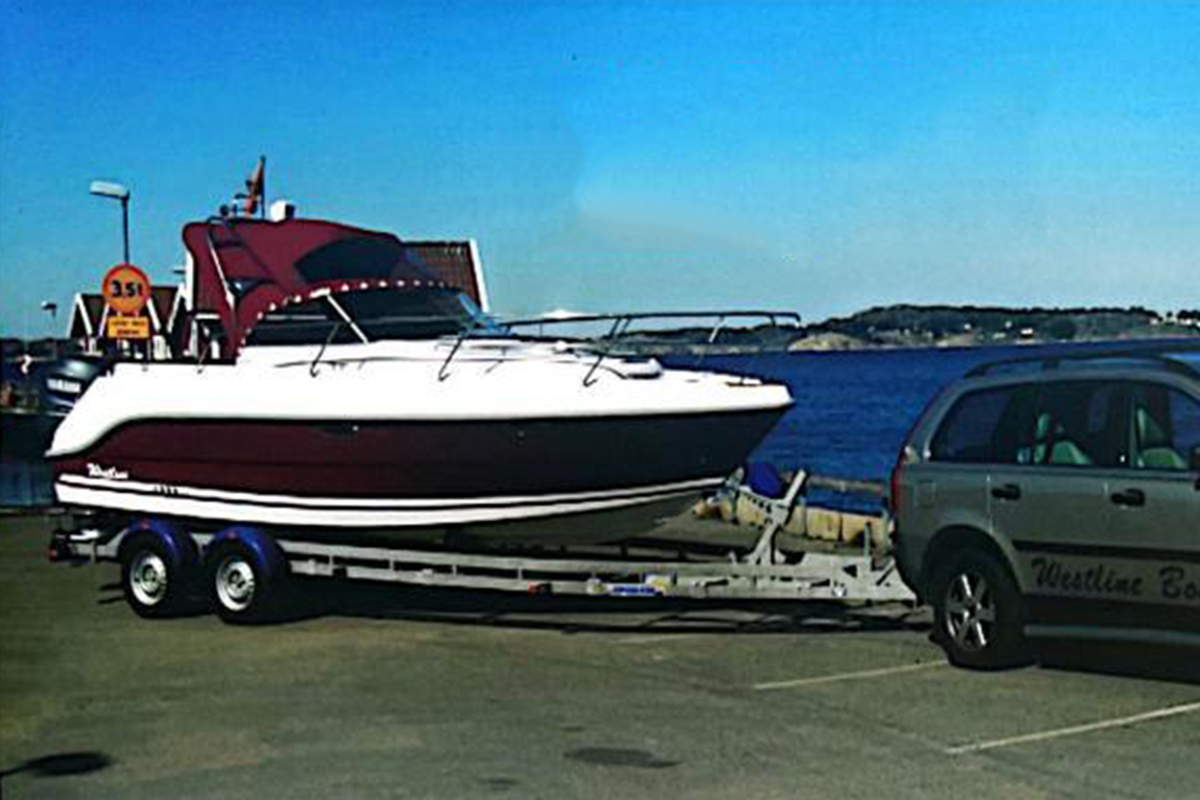
Many buyers find themselves caught between extremes. They want daysailer simplicity. Yet, they desire emergency shelter. The marine industry noticed this crossover market. Builders responded by creating a highly capable hybrid. They developed the pocket cruiser concept. It perfectly bridges the gap.
The pocket cruiser occupies the 20 to 27-foot segment. Popular examples include the Beneteau First 27 and the J/9. A modern day cruiser solves specific buyer friction. It incorporates a "cuddy" cabin. This space provides just enough room for emergency weather protection. It usually houses a simple porta-potty. You will also find a basic V-berth. These minimal amenities make weekend leisure cruising possible.
However, you must manage your expectations. You need to adopt a "backpacker" mindset. Sleeping on a micro-cabin boat is not luxurious. It feels akin to capsule camping. Hardcore sailors compare it to big-wall climbing. You are surviving in a compact, functional space. You are not staying in a luxury RV.
Buyers must use a strict evaluation metric here. You must weigh the extra weight. You must consider the added cost of a micro-cabin. Ask yourself a tough question. Is the added expense worth it? Consider the one or two times a year you will actually sleep on the boat. If you only sleep aboard once a year, a pure daysailer might be better.
Boat length rarely drives the primary decision. Instead, hidden logistical realities dictate your experience. You must expose implementation risks. You need to understand adoption realities before buying. Storage strategy defines your sailing frequency.
The Towing and Setup Tax applies heavily to daysailers. Yes, you save thousands on marina fees. However, frequent trailer launching extracts a different toll. You require a vehicle possessing proper towing capacity. You must develop a high tolerance for rigging. Raising the mast every trip takes energy. After a long workday, this setup tax might keep you home.
There is a crucial distinction in the trailerable market. Water-ballast systems change the equation. They make towing incredibly light. You drain the water before pulling the boat out. However, you sacrifice heavy-weather stiffness. A fixed-keel boat feels much stiffer in high winds. You must choose between highway convenience and ocean stability.
Moving up to a cruiser introduces the System Maintenance Debt. Moving from a simple daysailer changes your life. You suddenly inherit plumbing systems. You must manage complex electrical grids. Inboard engine maintenance becomes routine. You cannot ignore winterizing protocols. Bottom painting requires annual haul-outs. Slip fees accrue every single month. These maintenance burdens accumulate quickly. In fact, within a few seasons, your maintenance debt can equal the purchase price of a used daysailer.
Many beginners fall into a predictable trap. They buy a cheap, light boat. Then, they attempt to modify it. They want to turn a simple daysailer into a micro-cruiser for extended voyages. This DIY trap wastes money. It also creates dangerous vessels. We must look at hydrodynamic reality.
You need to understand the physics of boat design. Placed side-by-side, planing hulls and displacement hulls behave differently.
Planing Hulls: A typical daysailer features a flat aft section. Designers intend for it to plane over the water. It needs to remain light.
Displacement Hulls: Cruisers feature deep, rounded, or V-shaped bottoms. They push water aside. They carry heavy loads efficiently.
Adding hundreds of pounds of cruising gear destroys dynamic balance. Beginners often add extra deep-cycle batteries. They build heavy wooden bulkheads. They load the lazarettes with canned food. This extra weight sinks the flat aft section. The boat loses its intended waterline.
The verdict is scientifically clear. A heavy, overloaded daysailer will never plane. Furthermore, it will not sail efficiently as a displacement hull. It simply drags through the water. You will fight severe weather helm. You compromise the boat's self-righting moment. The rule is simple. Buy the boat designed for the environment you intend to sail in. Do not force a thoroughbred to pull a heavy plow.
You need a structured logic tree. It will move you toward a qualified purchase. Stop browsing random classified ads. Follow these three steps to shortlist your ideal vessel.
Audit Your Calendar, Not the Spec Sheet. Be ruthlessly honest. Look at your past summer weekends. How many continuous nights will you actually spend on the water? Compare this to simple afternoon trips. Most buyers imagine sunset anchorages. In reality, they only have time for three-hour afternoon sessions. Buy for your reality, not your fantasy.
Define the Storage Strategy. Your budget and physical space dictate this step. Suppose your budget caps at $5,000 to $10,000. You have empty driveway space. A trailerable daysailer is the clear winner. A small pocket hybrid like a used Catalina 22 or 25 also fits beautifully. However, suppose you demand a permanent wet slip. You hate towing. In that case, a heavier coastal cruiser becomes viable.
The "Stop Overthinking" Rule. Acknowledge a simple truth today. There is no perfect boat. Every hull is a compromise. Stop analyzing stability ratios on a computer screen. Choose the hull getting you on the water this season. Select the boat presenting the least amount of friction.
Daysailers offer friction-free access to the wind. They keep maintenance low and sailing purity high. Cruisers offer a floating zip code. They provide deep-water safety and liveaboard systems. Meanwhile, hybrids offer a rugged, minimalist middle ground. They blend agility with weekend shelter.
Your next step requires action, not more reading. Go walk the local marina docks. Speak to owners about their maintenance routines. Charter both types of vessels. Consult a professional broker to discuss local storage availability. You will learn more holding a tiller than staring at a screen. Get out there and find your wind.
A: No. Daysailers possess severe structural limitations. They lack the heavy righting-moment required for severe offshore weather. Their flat hulls cannot handle large ocean swells. They also lack self-bailing cockpits capable of shedding massive waves. Keep them in protected coastal waters and bays.
A: Yes. They represent an excellent learning platform. They offer immediate tiller feedback. This is essential for learning wind mechanics. Furthermore, they provide enough structural stability to forgive minor mistakes. The small cuddy cabin provides reassurance for nervous guests.
A: A dinghy generally costs less. A dinghy is a wet-sailing vessel, often stored upside down on a beach. A daysailer is a dry-sailing vessel. Both avoid marina slip fees. However, daysailers have higher initial purchase costs. They also require ongoing road trailer maintenance.


